Fluid Conservation Systems Inc. | Published on 2/6/2026
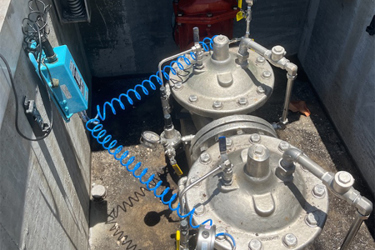
In municipal water distribution networks, maintaining consistent flow and pressure is essential for delivering safe, reliable water to industrial, commercial, and public service sectors. These systems are complex, often spanning large geographic areas and operating under varying environmental and demand conditions. Understanding the dynamics of pressure and flow—and how to manage them—is key to efficient utility operations.
What Is Water Pressure and Flow?
- Water pressure refers to the force that pushes water through pipes. It’s typically measured in pounds per square inch (psi).
- Flow rate is the volume of water moving through a pipe over time, usually measured in gallons per minute (GPM) or liters per second (L/s).
Both are interdependent: pressure drives flow, and changes in flow can affect pressure. In large-scale systems, maintaining balance between the two is critical to avoid pipe damage, service disruptions, and water loss.
Factors That Influence Pressure in Utility Networks
Several factors affect how pressure behaves in municipal water systems:
- Elevation and Gravity
Water naturally flows downhill. Systems in hilly or mountainous regions must account for elevation changes, which can cause pressure drops or surges.
- Pipe Diameter and Material
Narrow or aging pipes increase friction, reducing pressure and flow efficiency. Material degradation can also lead to leaks and bursts.
- Demand Fluctuations
Industrial zones, fire suppression systems, and peak usage times can cause sudden changes in pressure. These fluctuations must be monitored to prevent system stress.
- Pump and Valve Operations
Pumps and valves regulate pressure and flow. Malfunctions or poor calibration can lead to instability across the network.
- Leaks and Infrastructure Failures
Undetected leaks reduce pressure and waste water. Burst pipes can cause rapid pressure loss and service outages.
Why Pressure Management Matters
Effective pressure management helps utilities:
- Prevent pipe bursts and reduce maintenance costs
- Improve energy efficiency in pumping operations
- Ensure consistent service across varying elevations and demand zones
- Detect and respond to leaks quickly
- Extend the lifespan of infrastructure
Monitoring and Managing Pressure
Modern water systems rely on data-driven tools to monitor and manage pressure. These include:
- Pressure control systems that adjust pressure based on time or flow conditions
- Multi-channel data loggers that record pressure spikes, flow rates, and system anomalies
- Monitoring software that visualizes system performance across geographic zones
- Data analysis platforms that help utilities prioritize issues and respond efficiently
- Leak detection technologies that identify and locate pressure-related failures